
Is Whitening Safe During Pregnancy or If I Have Sensitive Teeth?

November 1, 2025

Introduction
A dazzling smile can do wonders for your confidence, but if you’re pregnant or have sensitive teeth, you might hesitate before whitening. After all, is it safe to brighten your smile during these times? Let’s dive into the facts, bust myths, and explore gentle alternatives that keep your health—and your smile—happy.
When to Consult Your Dentist First
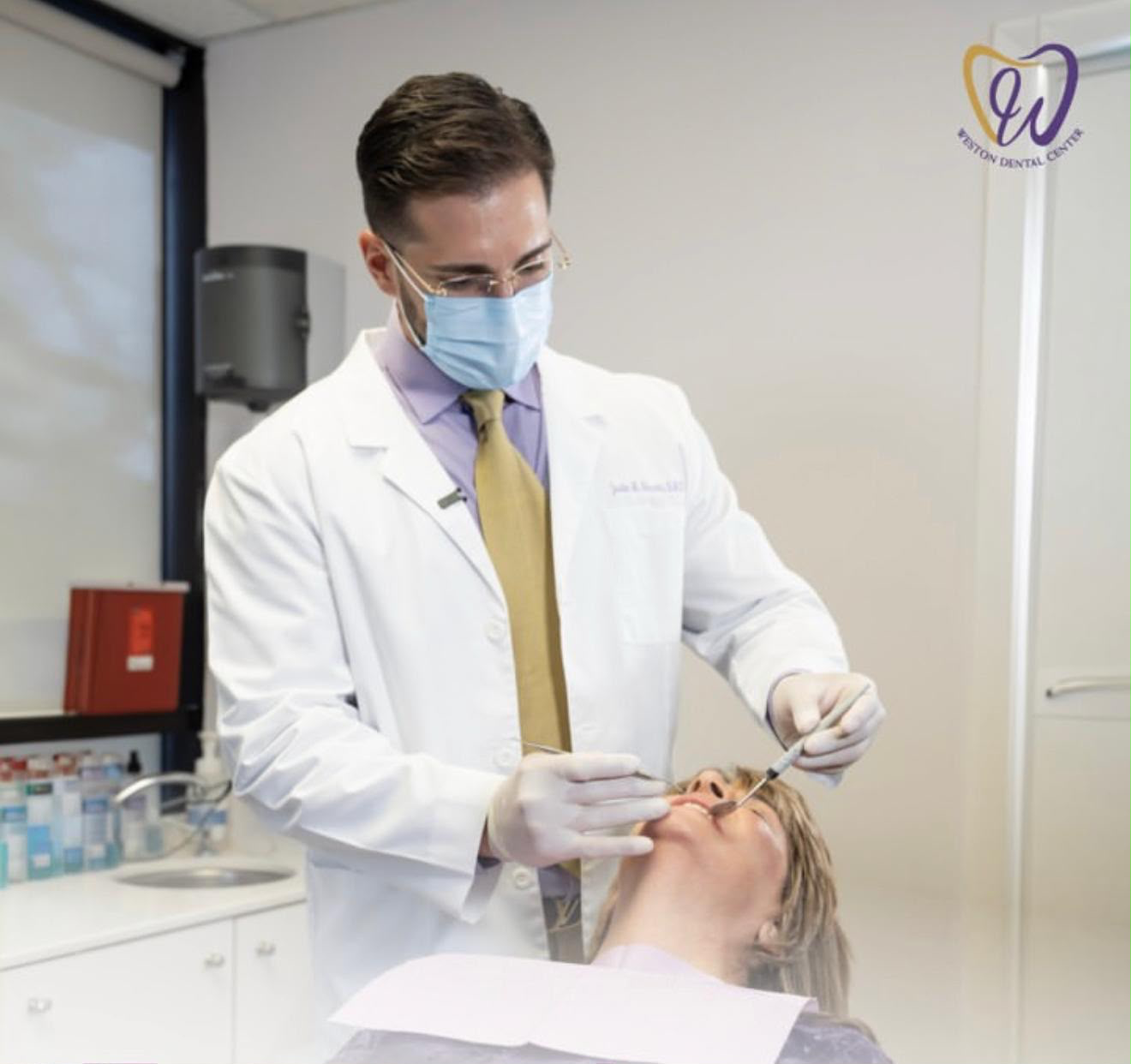
Whitening isn’t one-size-fits-all. The smartest move? A quick check-in with your dentist. They’ll examine your enamel strength, spot any gum issues that could make whitening uncomfortable, and suggest options tailored just for you. This prevents unwanted surprises and ensures your smile stays healthy through the journey.
Is Whitening Safe During Pregnancy?
Pregnancy brings a flood of hormonal changes, affecting your gums and enamel. While the popular bleaching agents like hydrogen peroxide are generally safe in small doses, there simply isn’t enough research proving they’re risk-free for unborn babies. Because of this uncertainty, most dental experts recommend postponing whitening until after childbirth.
Here’s why waiting makes sense:
- Pregnancy hormones already make gums more sensitive and prone to swelling, which whitening gels can irritate further.
- Morning sickness can introduce stomach acid to your mouth, weakening enamel, making whitening uncomfortable.
- Limited studies mean unknown effects on fetal development.
- There’s a small risk that bleaching chemicals could enter the bloodstream.
Think of your body as running a marathon during pregnancy—it’s better to save whitening for the victory lap afterward.
Whitening If You Have Sensitive Teeth
Sensitivity can transform the prospect of whitening from appealing to alarming. If sipping hot coffee or cold water sends a jolt of pain, conventional whitening might be tricky. But fear not—there are friendly options.
Safe whitening choices include:
- Low-peroxide gels: These act slower but reduce irritation.
- Custom whitening trays: Made by dentists for a perfect fit, they keep gel off gums.
- Desensitizing toothpaste: Using it before whitening prepares enamel and eases sensitivity.
- Shorter whitening sessions: Spacing out treatments allows enamel to recover.
Professional supervision makes all the difference—dentists can fine-tune your treatment to manage sensitivity and maximize comfort.
Table: Whitening Methods for Sensitive Teeth vs Pregnancy
| Whitening Method | Safe During Pregnancy? | Suitable for Sensitive Teeth? | Notes |
| Over-the-counter gels | No | Maybe | Can irritate gums, use low peroxide versions for sensitive teeth |
| Professional whitening | Generally No | Yes, with supervision | Dentist adjusts concentration and duration for comfort |
| Whitening toothpaste | Yes | Yes | Gentle, gradual whitening with no harsh chemicals |
| Custom trays | Not recommended | Yes | Precise fit reduces gum exposure |
| Natural remedies (e.g., charcoal, baking soda) | Yes | Limited effectiveness | May not whiten significantly; proceed with caution |
Post-Pregnancy Whitening Options
Once you’re past pregnancy and nursing, the whitening world reopens with its full suite of options:
- In-office treatments for instant glow-up
- Take-home kits for gradual, controlled brightening
- Veneers or bonding to mask stubborn stains
Until then, think of this time as a pause, not a full stop—self-care continues to be vibrant, just maybe without bleaching.
Lifestyle Tips to Keep Your Smile Bright
While you wait or if sensitivity holds you back, these daily habits can still prevent stains and maintain freshness:
- Rinse with water after dark drinks and coffee.
- Use a straw to minimize contact with staining agents.
- Crunch on fruits and veggies that naturally scrub teeth.
- Stick to brushing and flossing daily.
- Keep up with regular professional cleanings.
These little rituals slow stain buildup, keeping your smile ready for whitening when the time is right.
Conclusion
Your smile deserves the best care, especially in sensitive times like pregnancy or with dental sensitivity. While professional whitening offers effective results, postponing during pregnancy and opting for gentler methods with sensitive teeth ensures you protect your health without losing hope for a brighter smile. When ready, your dentist’s expert guide will transform your smile safely and confidently.
For personalized advice and tailored whitening options, trust your local dental professionals—they’re your best allies for a healthy, glowing smile for life.
Cosmetic Dentistry Conveniently Located Near Weston’s Favorite Destinations
Bonaventure Golf Club – 1.7 Miles – Popular championship golf course in Weston.
Weston Town Center – 1.8 Mile – Famous shopping, dining, and entertainment destination near the practice.
Indian Trace Park – 2.8 Mile – Well-known family park with sports and recreation facilities.
AMC Weston 8 – 0.4 Mile – Popular movie theater and entertainment spot near Weston.




FAQs
Is it safe to whiten teeth during pregnancy?
Most clinicians recommend postponing cosmetic bleaching during pregnancy due to limited research on the effects. Focus on routine cleanings and enamel-friendly habits, and discuss any esthetic treatment timing with your care team after pregnancy.
Can I whiten my teeth even though I have sensitive teeth?
People with sensitivity may experience discomfort with some whitening products. A clinician can recommend gentler options or supervised approaches that reduce irritation while supporting gradual shade improvement.
Should I consult before using whitening products while pregnant?
Yes. Consulting a clinician ensures your oral health is stable and identifies safer options if esthetic treatment is considered after pregnancy or sensitivity concerns are present.
How does pregnancy affect oral health?
Hormonal shifts can heighten gum sensitivity and inflammation. Maintaining routine exams and cleanings helps minimize gingival irritation that might influence cosmetic decisions like professional whitening.
How can I manage enamel sensitivity before whitening?
Strengthening enamel and addressing sensitivity through desensitizing toothpaste or fluoride treatments are often recommended first. Once sensitivity is controlled, esthetic procedures may be more comfortable and predictable.
When is it appropriate to consider teeth whitening in Weston after pregnancy?
Many clinicians suggest waiting until after pregnancy and breastfeeding before elective cosmetic whitening. Your clinician can help determine a safe timeline based on your overall dental health.
What are gentler whitening alternatives for sensitive teeth?
Lower-concentration bleaching or professionally supervised whitening with monitoring can be gentler. Desensitizing agents or shorter application times may help reduce discomfort during treatment.
How does a regular checkup support whitening plans?
Routine exams and cleanings ensure plaque, tartar, and gingival issues are addressed first. A healthy oral environment supports more predictable and comfortable esthetic outcomes.
Why should I talk to a dentist in Weston before whitening?
A clinician evaluates enamel health, gum status, and sensitivity history to recommend the safest approach for your situation. Personalized guidance helps avoid discomfort and ensures appropriate timing.
Can cosmetic concerns be addressed even if whitening is postponed?
Yes. Other cosmetic options may be considered or discussed during consultations. In cosmetic dentistry, Weston clinicians can tailor esthetic plans that respect your comfort and oral health needs.