
7 Signs You Need Emergency Dental Care in Weston Right Now
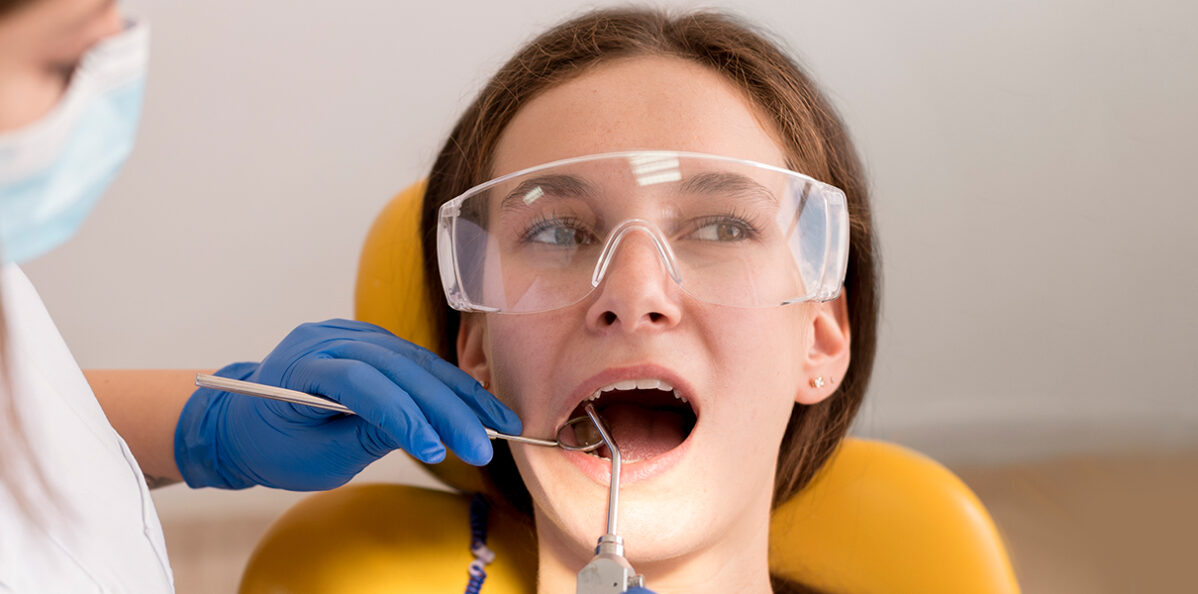
Tooth pain can crash into your day like a storm—fast, sharp, and impossible to ignore. Going to a dental office offering emergency dentistry in Weston is your lifeline when the unexpected hits. Whether it’s a sudden crack, swelling, or bleeding that won’t stop, knowing when to act can save more than just your smile. Here’s what demands immediate attention—no second-guessing.
1. Severe Toothache That Won’t Go Away
We’re not talking about a dull ache or a quick twinge from something cold. This is the kind of tooth pain that wakes you at night. The kind that pulses. Throbs. Lingers.
When that happens, it might be:
- A deep cavity that reached the nerve
- An abscess formed under the tooth
- A cracked root you can’t see
Pain is a signal. If your tooth is screaming, you shouldn’t wait it out.
2. Broken or Chipped Tooth (Especially with Pain)
Let’s say you bit into something harder than expected—popcorn, ice, or maybe even a fork. Now, a chunk of your tooth is gone. Ouch.
If there’s pain with the break, it could mean:
- The inner pulp is exposed
- A nerve is irritated or injured.
- The break runs deeper than it looks.
Small chips without pain? Okay, to schedule soon.
A sharp break with pain? Time to call.
3. Knocked-Out Tooth
This is one of the clearest emergencies—and the clock is ticking.
If your tooth gets knocked out:
- Pick it up by the crown (not the root)
- Rinse it gently, but don’t scrub
- Try to place it back in the socket.
- If you can’t, keep it in milk or saliva.
The sooner you see an emergency dentist near you, the better the chance of saving that tooth. Thirty minutes can make all the difference.
4. Swollen Gums, Jaw, or Face
Swelling in your mouth or face isn’t just annoying. It can mean something much more serious, like a spreading infection.
Watch out for:
- Puffiness that grows by the hour
- Warm or tender areas
- Trouble opening your mouth
Facial swelling isn’t normal. When it happens fast, it could spread even faster. Don’t brush it off.
5. Bleeding That Won’t Stop
Mouth injuries include cuts, extractions, and accidents. But if it’s been more than 10–15 minutes and the bleeding hasn’t stopped despite pressure? It’s time to seek help.
Keep an eye out for:
- Heavy blood after dental work
- Bleeding gums from minor brushing or eating
- Signs of dizziness or weakness with the bleeding
In rare cases, constant bleeding could be linked to clotting issues or be a sign of trauma. A dentist in Weston can stop the bleeding and check for damage.
6. Loose or Dislodged Tooth (Without Being Knocked Out)
This is a strange and unsettling feeling. Your tooth is still in place, but it’s wiggling like it wants to leave.
It might mean:
- Trauma from grinding or a blow
- Periodontal (gum) damage
- Infection weakens the bone.
Don’t poke it or try to adjust it. The sooner a dentist in 33326 sees it, the better your odds of keeping it.
7. Signs of Infection: Fever, Bad Taste, or Pus
Infections in the mouth don’t always show up as pain. Sometimes, it’s the other symptoms that warn you:
- A bad taste that won’t go away
- Swelling in the gum near a tooth
- A small pimple-like bump on the gum
- Fever or fatigue
Don’t wait for it to hurt. Dental infections can spread or reach the bloodstream, and that’s not something you want to gamble with. Get checked before things turn serious.
Why Choosing the Right Emergency Dentist in Weston Matters
Not all dentists offer emergency care. When pain strikes or teeth are at risk, you want someone ready to act, not someone who puts you on next week’s schedule.
Here’s what to look for:
- Fast response: Same-day appointments
- Experience: Skilled in trauma, infection, and restorations
- Supportive care: Staff who listen and explain
Dr. Justin Hosseini at Weston Dental Center is known for stepping in when it counts. Patients trust him because he doesn’t just treat the tooth—he treats you.
What to Expect During Your Emergency Visit
Emergency appointments feel different than regular checkups. They move fast, but they still focus on comfort and clarity.
You can expect:
- A quick medical and dental history review
- Digital X-rays to locate the issue
- Numbing (if needed) right away
- Treatment—or a plan for it—on the same day
You’ll leave with either relief or a solid next step. Either way, you won’t be left wondering.
Final Thoughts
When a dental emergency strikes, fast action matters. Don’t let pain, swelling, or a damaged tooth steal your peace. Weston Center for Cosmetic and Implant Dentistry is here to help you feel better quickly. Call now, get seen today, and take the first step toward relief. Your comfort can’t wait, and neither should your care.
FAQs
A dental emergency involves tooth pain that doesn’t subside, uncontrollable bleeding, trauma that exposes nerve tissue, or a knocked-out tooth. These situations often require prompt clinical assessment and stabilization to prevent worsening complications.
Severe pain that lasts more than a day, wakes you at night, or intensifies with pressure may signal infection or significant damage. A quick dental evaluation can help determine whether urgent treatment is necessary.
If a tooth is fully displaced from its socket, preserving it by rinsing (don’t scrub) and keeping it moist while seeking immediate care may improve the chance of re-implantation. Faster evaluation increases the likelihood of saving the tooth.
Sudden or rapidly increasing swelling can indicate infection spreading beyond the initial site or deeper tissue involvement. Prompt assessment can help prevent airway or soft tissue complications that may arise without treatment.
Significant changes in how your teeth fit together or an inability to close your jaw comfortably may signal displacement or fracture. Clinicians can assess the cause and provide timely stabilization or referral as needed.
Bleeding that won’t stop with gentle pressure or lasts longer than expected after injury may indicate soft tissue damage or underlying structural issues. Emergency evaluation helps manage bleeding and assess damage safely.
Teeth that feel mobile after trauma may have ligament damage or a root fracture. Even without severe pain, early clinical evaluation supports appropriate splinting or treatment planning.
Emergency dentistry services assess acute dental injuries, control pain or bleeding, and coordinate immediate care to reduce infection risk or protect supporting structures while planning definitive treatment.
Yes. Persistent throbbing, fever, warmth, or a bad taste with swelling may indicate an abscess. Quick clinical assessment can prevent spread to surrounding bone or soft tissue.
If symptoms intensify or new signs develop, urgent evaluation helps rule out serious infection or structural problems. Access to emergency dental care provides timely intervention to protect oral and overall health.
Author’s Bio

Dr. Justin Hosseini
When dental pain occurs, Dr. Justin Hosseini provides emergency dentistry at Weston Dental Center with prompt attention and patient care. He evaluates urgent dental concerns, including tooth pain and damaged restorations, to help restore comfort and function. Patients appreciate his calm approach and clear communication during urgent dental visits.