
Can You Get Dental Implants Covered under Insurance in Weston, FL?
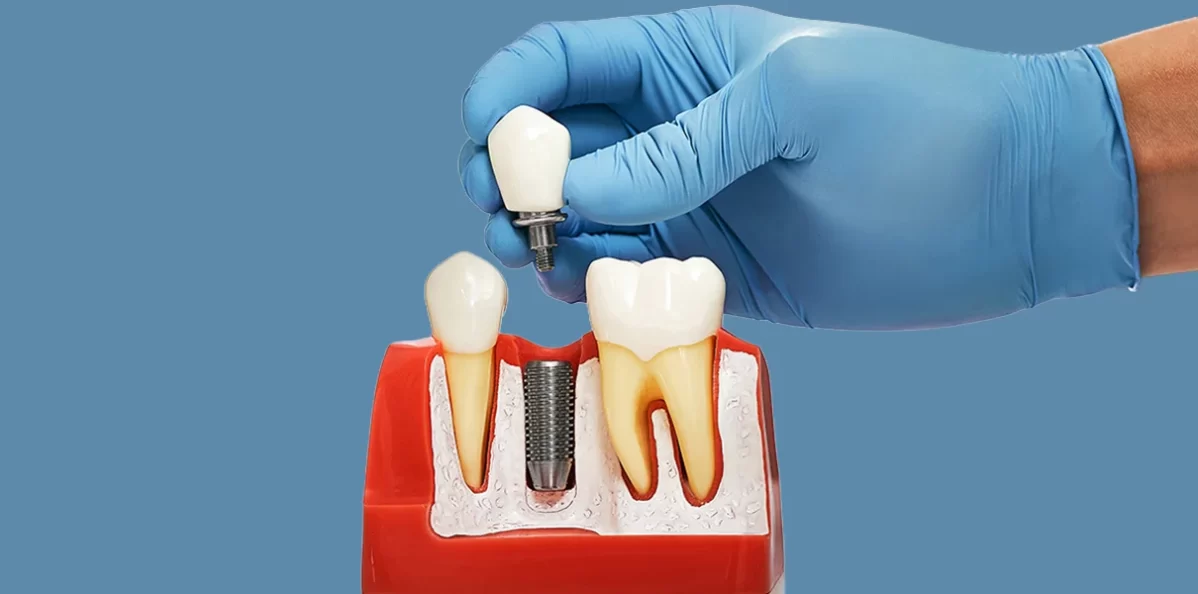
Dental implants offer a long-term solution for missing teeth, though financial considerations often influence treatment decisions. Many patients ask whether insurance contributes to dental implant treatment and under which conditions coverage may apply. If you are exploring treatment options that include dental implants in Weston, FL, understanding how insurance functions allows patients to plan realistically and reduce the risk of unexpected costs. Insurance may offset part of the treatment when implants are linked to functional oral health needs rather than cosmetic preferences.
Understanding Dental Implants and Why Coverage Varies
Dental implants replace missing tooth roots and properly support crowns, bridges, or dentures. Because they involve surgery and long-term restoration, insurance companies often classify them differently from routine dental procedures. Most plans classify implants as a major service or categorize them as elective treatment. This classification is the main reason coverage is not always straightforward.
However, implants are increasingly recognized as a functional solution that supports chewing, speech, and jawbone health. As coverage policies evolve, some insurers offer partial benefits under defined clinical conditions. Insurance policies for dental implants in Weston often depend on whether the procedure is documented as functionally necessary rather than elective.
When Dental Implants Might Be Covered
Dental implants may be eligible for insurance support when they are considered medically or functionally necessary. For example, if tooth loss resulted from trauma, advanced decay, or severe gum disease, insurers may recognize the need for restoration. Insurance consideration increases when implants are necessary to support oral stability or reduce the risk of further complications.
In many situations, while the implant itself may not be fully covered, related procedures often are. Bone grafting, tooth extractions, or diagnostic imaging may fall under covered benefits, even if the implant post does not. Treatment documentation from a dentist in 33326 typically includes clinical findings that support insurance review and benefit determination.
How Dental Insurance Works in the U.S.
Dental insurance in the United States typically follows a tiered structure. Preventive care, including cleanings and exams, is usually covered at the highest level. Basic services like fillings receive partial coverage, while major procedures, including crowns or oral surgery, are covered at a lower percentage.
Implants usually fall into the major services category or are excluded unless the policy specifically includes them. Annual maximum limits further restrict how much insurance will pay within a given year. Even when a plan contributes, it may only pay up to a set dollar amount annually, leaving the remainder as an out-of-pocket cost.
Waiting periods also affect when implant-related benefits become available. This is especially relevant for implant treatment, which often spans multiple phases over time.
Planning Implant Treatment With Insurance in Mind
Implant planning starts with a comprehensive dental evaluation. Dentists assess bone health, gum condition, and overall oral stability before recommending implants. Once a treatment plan is developed, insurance pre-authorization can clarify what portions may be eligible for coverage.
Insurance planning discussions often begin during an in-office evaluation with a dentist near you who is familiar with implant timelines and benefit coordination. Asking questions early helps avoid delays and financial surprises. Even when implants themselves are excluded, coverage for supporting procedures can reduce the total cost significantly.
FAQs About Dental Implant Insurance Coverage
Full coverage for dental implants is uncommon, but not impossible. Some high-tier dental plans or employer-sponsored policies include implant benefits. In these cases, coverage is often capped and subject to annual limits. Most patients should expect partial assistance rather than complete coverage.
Insurance is more likely to cover procedures connected to implant placement. These may include tooth extractions, periodontal treatment, diagnostic imaging, or crowns placed on implants. While the implant post itself may not be included, these related services can make treatment more affordable overall.
Several dental plans have waiting periods for major services, often ranging from six to twelve months. For patients planning dental implants in Weston, FL, reviewing waiting periods in advance helps align treatment timelines with available benefits.
In limited situations, medical insurance may contribute. If tooth loss or jaw damage results from an accident, tumor removal, or certain medical conditions, medical insurance may help cover surgical aspects of treatment. Coordination between dental and medical providers is essential in these cases.
Why Professional Guidance Matters
Insurance policies are complex, and coverage language can be difficult to interpret without professional help. Dentists familiar with implant planning document medical necessity clearly and follow insurer documentation requirements. This guidance supports informed decision-making and reduces administrative delays.
At Weston Dental Center, patients receive individualized treatment planning that considers both clinical needs and insurance considerations. This process allows patients to review treatment and coverage details before proceeding.
Making an Informed Decision About Dental Implants
While insurance coverage for implants is not guaranteed, many patients find that partial benefits, combined with proper planning, make treatment achievable. Dental implants offer long-term stability and function that other tooth replacement options may not provide.
Clear knowledge of coverage options supports informed decisions about implant treatment. Reviewing insurance benefits and discussing them with a dental professional allows patients to plan confidently and responsibly.
Author’s Bio

Dr. Justin Hosseini
Dr. Justin Hosseini provides dental implant care at Weston Dental Center to replace missing teeth. Implant treatment includes evaluation, placement coordination, and restoration planning. Care focuses on comfort, function, and long-term use.