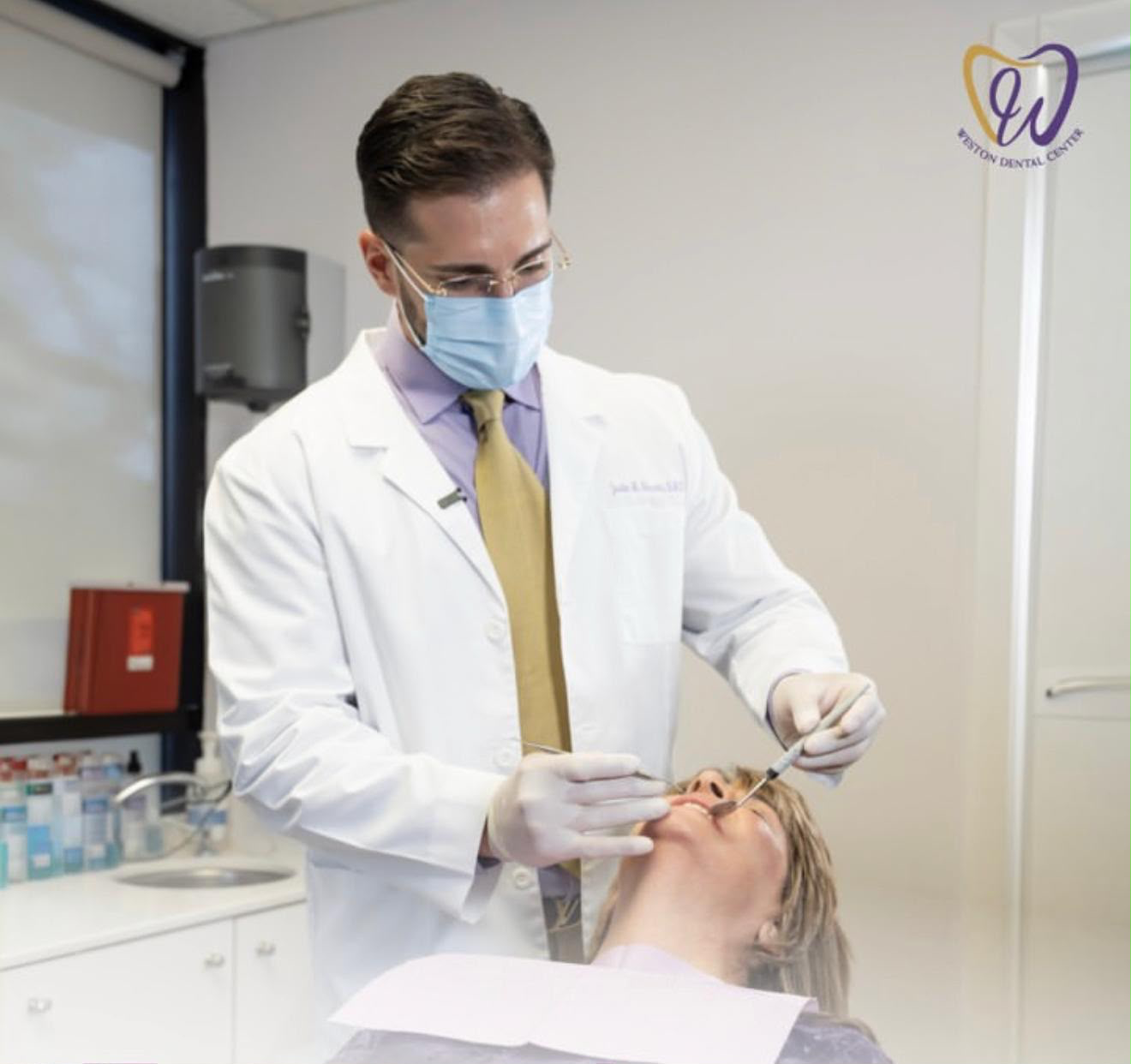

For many patients, a dental cleaning and exam every six months is a useful starting point, but it is not a universal rule. The right schedule depends on your gum health, cavity history, plaque buildup, medications, medical conditions, and how well you can maintain your teeth at home. Some people may be advised to return more often, while others with consistently low risk may follow a different interval recommended by their dentist.
The important point is to follow a preventive schedule based on your current health rather than waiting for pain. At Weston Dental Center, exams and cleanings are planned around each patient’s needs and updated when those needs change.
Is Every Six Months Always Necessary?
Twice-yearly visits are common because they provide regular opportunities to remove hardened buildup and identify changes before they become more complicated. However, dental care is personal. The American Dental Association’s patient guidance emphasizes that the frequency of visits should be discussed with your dentist rather than determined only by a fixed calendar.
A person with healthy gums, few previous cavities, and effective home care may have different needs from someone with active gum disease, frequent decay, dry mouth, or multiple restorations. Insurance coverage may also describe a certain number of visits, but coverage limits do not replace a clinical recommendation.
What Is the Difference Between a Cleaning and an Exam?
A professional cleaning focuses on removing plaque, tartar, and surface stains from areas that brushing and flossing may not fully reach. The dental hygienist also evaluates the condition of the gums and provides personalized home-care guidance.
A dental exam is the diagnostic portion of the visit. The dentist checks the teeth, gums, bite, existing fillings or crowns, and the soft tissues of the mouth. X-rays may be recommended when they are needed to assess areas that cannot be seen directly. A routine visit may also include an oral cancer screening.
Who May Need More Frequent Visits?
Your dentist may recommend shorter intervals when closer monitoring or maintenance is beneficial. Examples may include:
- Active gum inflammation or a history of periodontal disease.
- Frequent cavities or a high level of plaque and tartar buildup.
- Dry mouth caused by medications, medical treatment, or reduced saliva flow.
- Orthodontic appliances that make daily cleaning more difficult.
- Smoking or other tobacco use.
- Diabetes or another condition that can affect oral health.
- Several implants, crowns, bridges, or other restorations that require monitoring.
Patients who have received treatment for gum disease may be placed on a periodontal maintenance schedule. These visits are different from routine cleanings and may occur more frequently to help control the condition.
What Happens During a Preventive Visit?
The appointment usually begins with an update to your medical and dental history. Tell the team about new medications, pregnancy, changes in blood sugar control, dry mouth, bleeding gums, or discomfort. Even information that does not appear dental can affect treatment planning.
The clinical portion may include gum measurements, removal of plaque and tartar, polishing, an examination of each tooth, evaluation of previous dental work, and a review of any diagnostic images that are appropriate for you. The team can then explain whether your current visit interval should remain the same or change.
Should You Wait Until Something Hurts?
No. Cavities and gum disease can progress without obvious pain, especially in their earlier stages. Preventive visits are intended to identify changes while treatment may be simpler and to help you avoid emergencies.
Contact a dentist sooner than your planned cleaning if you notice persistent tooth pain, swelling, a broken tooth, bleeding that concerns you, a sore that does not heal, or a change in your bite. Severe swelling, fever, difficulty breathing, or difficulty swallowing requires urgent attention.
Frequently Asked Questions
Can I have a cleaning without a dental exam?
That depends on your treatment plan and how recently you were examined. Periodic exams allow the dentist to check for changes that a cleaning alone cannot diagnose.
Do I need X-rays at every cleaning?
Not necessarily. The timing of dental X-rays should be based on age, symptoms, cavity risk, previous findings, and the type of information the dentist needs.
Why might someone need cleanings more than twice a year?
Gum disease, rapid tartar buildup, dry mouth, frequent cavities, certain medical conditions, or difficulty cleaning around dental work may justify closer follow-up.
If my teeth feel fine, can I skip my exam?
Feeling comfortable does not confirm that every tooth and gum area is healthy. Many problems begin quietly, which is why preventive examinations remain useful.
How can I maintain results between visits?
Brush twice daily with fluoride toothpaste, clean between your teeth every day, limit frequent sugary snacks and drinks, avoid tobacco, and follow the specific instructions provided by your dental team.
Plan Your Next Preventive Visit in Weston, FL
If you are unsure when your next cleaning and exam should occur, our team can evaluate your current risk factors and recommend an appropriate schedule. Book an appointment with Weston Dental Center for individualized preventive care.
Sources: American Dental Association: Common Questions About Going to the Dentist; American Dental Association: Diabetes and Oral Health.
Author’s Bio

Dr. Justin Hosseini
Oral cancer screenings are done as part of preventive care at Weston Dental Center with Dr. Justin Hosseini. He conducts thorough evaluations to help identify early changes in oral tissues. Screenings are paired with patient education to support overall oral and general health awareness.