
How Often Should You Whiten Your Teeth? Advice for Weston Smiles

Teeth whitening in Weston has become a sought-after choice for those looking to enhance their smiles. With various options available, understanding how often to whiten teeth is essential for achieving the best results while minimizing discomfort. This guide provides insights into effective whitening practices, frequency recommendations, and considerations for sensitivity.
Understanding Whitening Frequency
The frequency of teeth whitening in Weston, FL can significantly impact the effectiveness of the treatment and the individual’s comfort. Research indicates that the timing of applications can vary without compromising results.
Efficacy of Whitening Treatments
Studies have shown that using a 16% carbamide peroxide solution every 24 hours or every 48 hours yields similar whitening outcomes. However, applying the treatment every other day results in less tooth sensitivity. This is essential for anyone concerned about discomfort during the whitening process.
- Daily vs. Every Other Day
- Longer Intervals
Daily applications may increase sensitivity, while everyday applications can provide comparable results with reduced discomfort.
Another study compared whitening every 48 hours to every 72 hours over six weeks. The findings revealed no significant difference in whitening effectiveness, suggesting that longer intervals can be just as effective.
Sensitivity Considerations
Tooth sensitivity is a common side effect of whitening treatments. Understanding how to manage this sensitivity can make the whitening experience more enjoyable.
Managing Sensitivity
- Less Frequent Applications
- Choosing the Right Products
Reducing the frequency of applications can help minimize sensitivity. For example, using the whitening gel every 48 hours instead of daily can achieve similar results while keeping discomfort at bay.
Selecting products designed for sensitive teeth can also help. Many whitening gels now contain desensitizing agents that can alleviate discomfort during treatment.
At-Home vs. In-Office Whitening
When considering teeth whitening options, individuals often weigh the benefits of at-home treatments against in-office procedures. Each method has its advantages, which can help make an informed decision.
At-Home Whitening
At-home whitening treatments have gained popularity for their convenience and effectiveness. A study found that overnight, using a 10% carbamide peroxide solution produced results comparable to a single in-office treatment with 25% hydrogen peroxide after just five days.
- Convenience
- Lower Sensitivity
Many individuals prefer the flexibility of at-home whitening. It allows for treatment at one’s own pace and book, making it easier to fit into busy lifestyles.
The study noted that less than 40% of participants experienced mild sensitivity, and no sensitivity was reported after 20 days. This highlights the comfort that at-home treatments can provide.
In-Office Whitening
In-office whitening treatments performed by a dentist in Weston, FL offer immediate results and professional oversight. These procedures frequently use larger doses of whitening chemicals, resulting in faster results.
- Immediate Results
- Professional Guidance
For those seeking quick results, in-office treatments can be appealing. A single session can brighten teeth, making it an excellent option for special occasions.
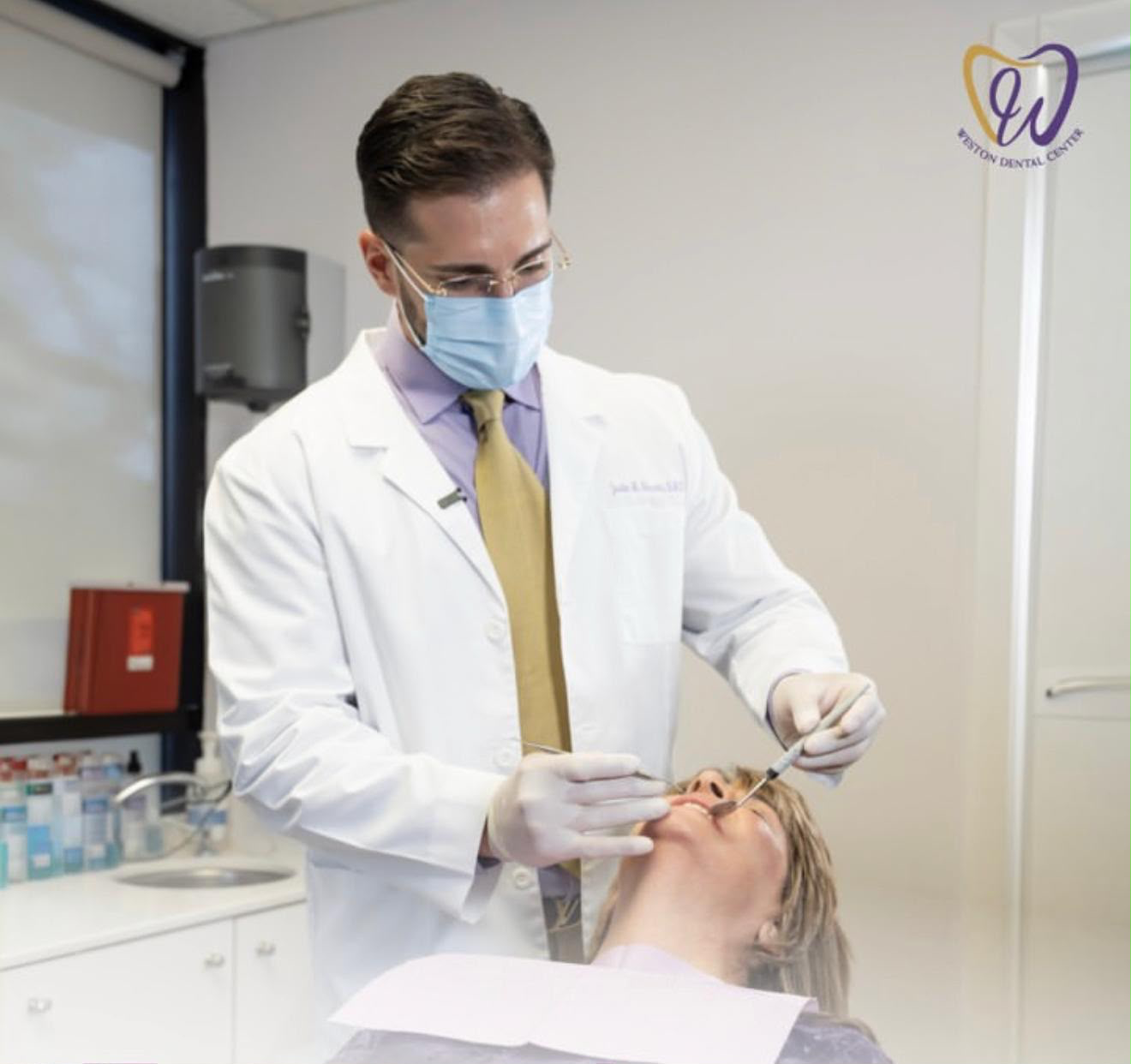
Having a professional like Dr. Justin Hosseini oversee the treatment ensures the process is safe and effective. This can provide peace of mind for individuals new to whitening.
Recommendations for Whitening Frequency
Applying whitening gel every 48 hours is generally recommended for effective and comfortable teeth whitening. This approach balances efficacy with reduced sensitivity, allowing for a brighter smile without discomfort.
Summary of Recommendations
- Use whitening gel every 48 hours for optimal results and minimal sensitivity.
- Consider at-home treatments for convenience and comfort.
- Consult with a dental professional for individualized advice and product recommendations.
The Role of Your Dental Office
Choosing the right dental office in Weston, FL is crucial for a successful whitening experience. A qualified professional can do an assessment of individual needs, recommend appropriate treatments, and monitor progress throughout the process.
Regular check-ups with a dentist in 33326 can help ensure that any concerns are handled promptly.
Benefits of Professional Guidance
- Tailored Treatment Plans
- Ongoing Support
A professional can create a customized whitening plan based on individual dental health and goals.
Having access to a knowledgeable team can provide reassurance and support throughout the whitening journey.
Conclusion
Teeth whitening can be a safe and fruitful way to enhance your smile. By understanding the frequency of applications and considering individual sensitivity, achieving a brighter smile is within reach. Whether opting for at-home treatments or in-office procedures, the key is to find a method that works best for you.
For those interested in Teeth Whitening, consulting with Weston Center for Cosmetic and Implant Dentistry can provide valuable insights and personalized recommendations. With the right approach, a radiant smile is just around the corner!
FAQs
The safest approach is professional supervision to ensure whitening strength matches your enamel condition. Many patients considering teeth whitening in Weston benefit from customized treatment plans that reduce sensitivity while delivering gradual, even results without damaging enamel.
Most people refresh whitening every 6 to 12 months, depending on staining habits and sensitivity. A dental evaluation helps determine the safest interval so you maintain brightness without overexposing enamel to bleaching agents.
If you experience lingering sensitivity or gum irritation after treatment, it may be too soon to repeat whitening. Waiting allows enamel to stabilize and reduces the risk of discomfort or surface weakening.
Yes. Coffee, tea, red wine, and also tobacco can stain teeth more quickly, increasing the desire for touch-ups. Reducing staining habits and maintaining regular cleanings can help extend whitening results.
Professional cleanings help eliminate plaque and tartar that may block whitening agents from working evenly. Many patients in cosmetic dentistry in Weston start with a cleaning to achieve more uniform results.
Results often last several months, depending on diet and oral hygiene. Occasional touch-ups may be recommended based on your smile goals and enamel response to treatment.
Yes, but strength and method matter. A dentist in Weston can recommend gentler formulations or supervised options designed to minimize discomfort while still improving shade.
No. Whitening affects natural enamel only. If you have restorations, your dentist may discuss shade matching to maintain uniform color throughout your smile.
Store products are typically milder and may take longer to show results. Professional whitening uses stronger, controlled formulas tailored to your dental health for more predictable brightness.
Yes. At Weston Dental, whitening recommendations are based on enamel health, lifestyle, and cosmetic goals to help maintain a balanced and natural-looking smile.
Your frequency depends on your starting shade, diet, staining habits, and enamel sensitivity. Those who drink coffee, tea, or red wine may notice staining sooner and may choose touch-ups spaced months apart rather than weekly.
Repeating too soon can increase sensitivity and irritation. Most clinicians recommend spacing whitening sessions based on enamel tolerance and results from your initial treatment rather than a set “schedule.”
Foods and beverages with strong pigments, smoking, and acidic drinks can contribute to quicker fading of shade improvements. Drinking water after staining foods may help prolong results.
Yes. People with sensitivity may require gentler products or longer intervals between applications. Discussing your experience with your clinician helps tailor a safer and more comfortable plan.
Professional options often use customized trays or higher-quality bleaching agents under supervision, achieving more consistent results that can hold up better between sessions.
Many people refresh their whitening every 6–12 months based on personal goals and lifestyle habits. Professional advice helps you choose a time suited to your oral health.
Yes. Drinks with dark pigments can stain enamel over time. Rinsing or brushing after consuming staining beverages may help maintain brightness between treatments.
When integrated with regular exams and cleanings, whitening becomes part of a comprehensive plan that supports healthy enamel and predictable esthetic outcomes over time.
Yes. Whitening is often a first step in cosmetic improvement plans to create a lighter base before veneers, bonding, or other esthetic treatments are considered in a personalized plan.
Yes. A clinician can assess enamel health and sensitivity, recommend the safest product or approach, and help you decide an appropriate frequency based on your goals and dental history.
Author’s Bio

Dr. Justin Hosseini
Dr. Justin Hosseini provides professional teeth whitening at Weston Dental Center as part of cosmetic dental care. Whitening options are discussed based on enamel health and patient preferences. Treatment planning emphasizes safety and conservative cosmetic enhancement.