


How Weston Dental Care Uses Modern Technology for Implant Precision
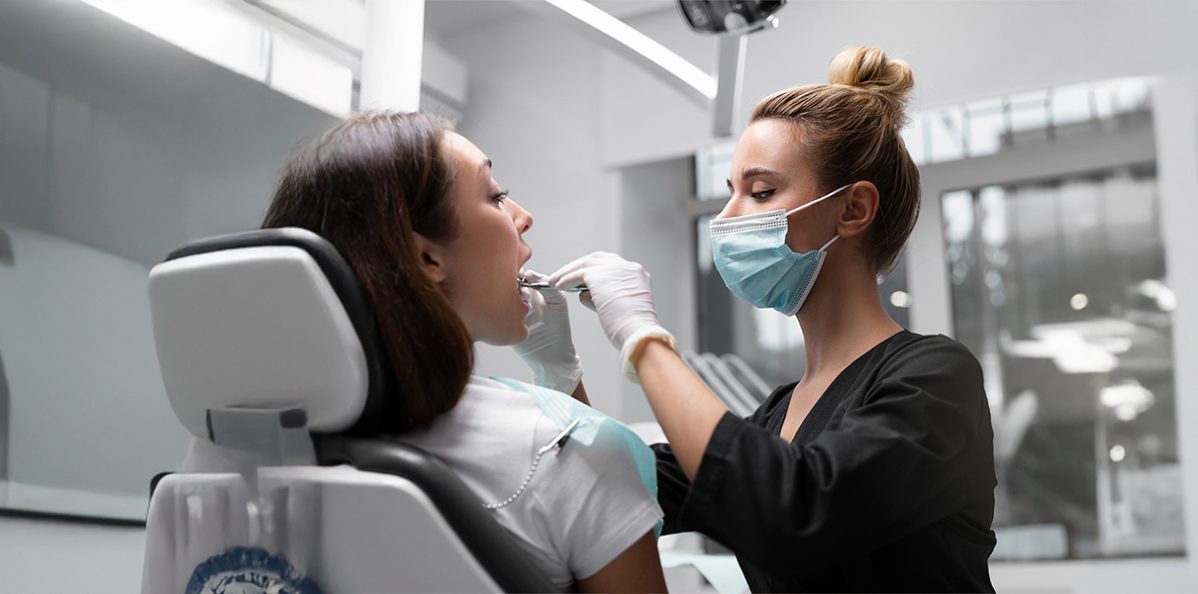
If you are tired of wobbly dentures or gaps that keep you from enjoying your favorite foods, modern digital tools can make implant treatment more predictable and comfortable. When you visit our dental office, you will see how today’s technology helps create implants that look natural and feel secure. Our team includes a skilled cosmetic dentist in Weston who uses advanced systems to plan and place implants with accuracy.
The Technology Behind Accurate Implants
Planning dental implants in Weston, FL starts with 3D scanning to create detailed images of your jaw. These scans guide your treatment, so implant placement is precise from the start. Digital X-rays check bone support, and computer-guided surgery helps with controlled, accurate placement. With CEREC technology, some patients can even receive a same-day crown.
How Tech Supports Everyday and Urgent Care
Digital tools help your team diagnose quickly, plan safely, and deliver an implant that feels stable and natural. Whether you are addressing an injury or planning long-term restoration, this technology supports clear, confident treatment decisions.
Ready to Explore Your Options?
If you want a strong and lasting solution for missing teeth, Weston Dental Center is ready to help you explore what modern implant care can do.
FAQs: Implant Tech Talk
Modern dental implants in Weston, FL, are planned with 3D scanners, digital imaging, computer-guided software, and on-site CEREC systems that create highly accurate restorations.
Often yes. Dentists offering emergency dentistry in Weston uses digital X-rays and precise imaging to evaluate fractures, bone health, and infection before moving forward with safe implant placement.
In select cases, your dental office may offer same-day implant placement or temporary restorations, depending on bone quality and the complexity of your treatment.
A skilled cosmetic dentist in Weston uses digital guides and advanced planning tools to achieve highly precise, millimeter-level placement for long-term stability.
Digital scanners, 3D imaging, and guided surgical planning allow precise mapping of bone and nerve structures. These tools assist clinicians in placing implants accurately, supporting optimal stability and long-term success for tooth replacement.
3D imaging shows detailed views of jawbone density, nerve pathways, and existing tooth roots. This information helps the clinician determine the safest, most predictable path for implant placement before surgery begins.
Computer-assisted guides based on digital scans help ensure implants are fixed at the correct angle and depth, reducing guesswork. This precision aims to improve healing and integration with the bone.
Digital scanning captures accurate tooth and gum contours, which helps designers craft custom abutments and crowns that fit precisely over implants without unnecessary adjustments after placement.
Precision matters in areas with limited bone, near nerves, or next to teeth requiring careful spacing. Technology assists in planning around these complexities to support stable and comfortable outcomes.
Clinicians trained in digital planning and guided techniques combine clinical experience with modern tools to interpret imaging and measurements effectively. This helps align surgical goals with restorative needs.
Discuss imaging results and surgical guides with your provider to understand how technology will influence your plan. When used appropriately, these tools offer more predictable placement and fit.
Expect digital impressions, 3D imaging, and a review of bone structure. This evaluation forms the foundation of a personalized treatment plan designed to optimize surgical precision and prosthetic fit.
A qualified clinician uses digital planning software and imaging to create guided templates that support accurate placement. This reduces uncertainty and aligns surgical steps with restorative goals.
Yes. Modern implant treatment integrates imaging and guided planning to support precise placement and predictable healing. In restorative dentistry Weston, this helps ensure functional and esthetic tooth replacement.
Author’s Bio

Dr. Justin Hosseini
Dr. Justin Hosseini provides dental implant care at Weston Dental Center to replace missing teeth. Implant treatment includes evaluation, placement coordination, and restoration planning. Care focuses on comfort, function, and long-term use.