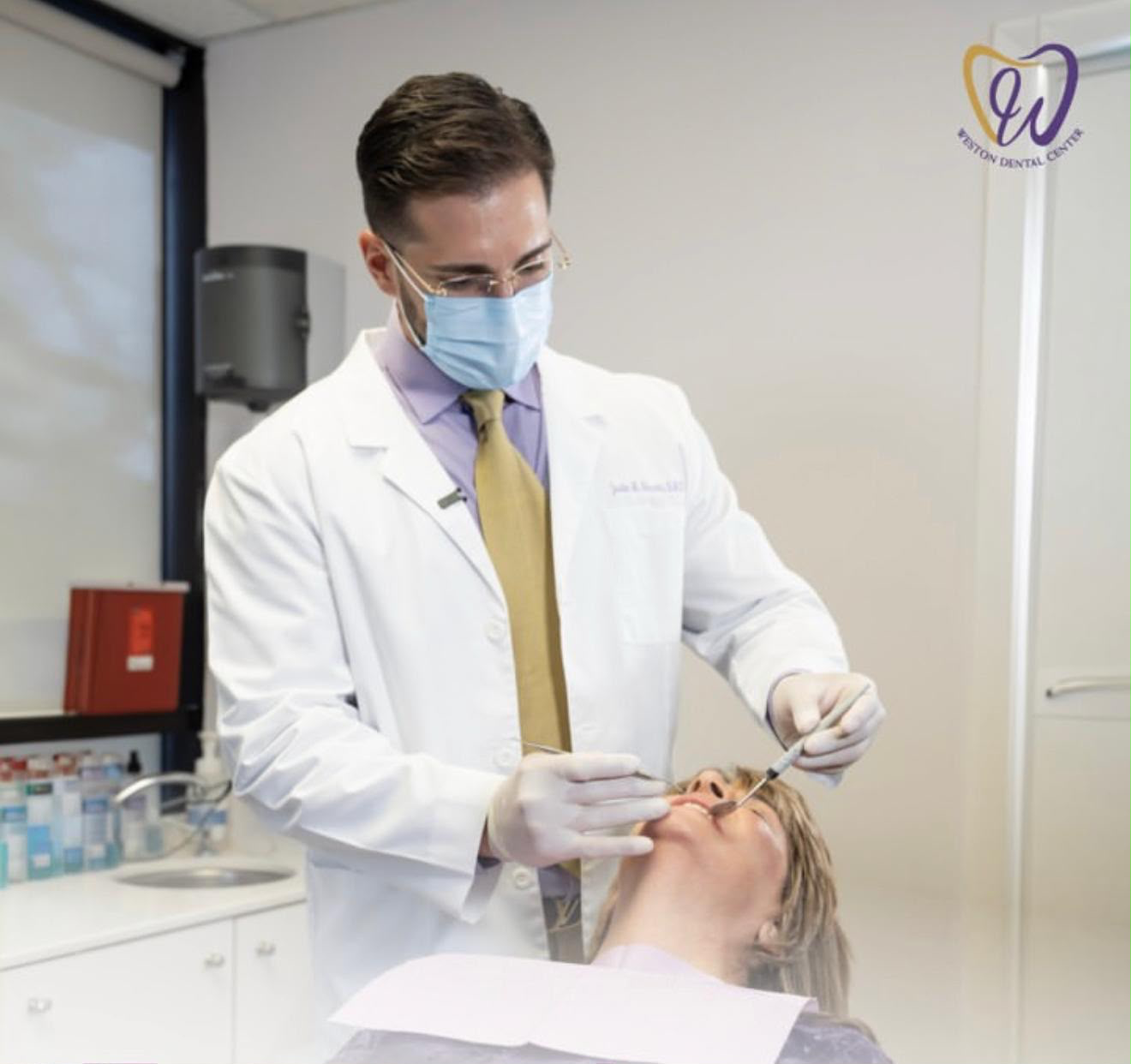

How Restorative Dentistry Helps Save Damaged Teeth
August 1, 2025


Every smile tells a story, yet a cracked crown or throbbing molar can steer that narrative toward discomfort and self-consciousness. Advances in adhesives, ceramics, and digital imaging now let clinicians mend chips, rebuild lost height, and seal fractures with remarkable precision. For busy families and commuters, dental care restoration in Weston, FL, delivers same-day solutions that restore function while preserving natural enamel. As a result, residents regain confidence in the proven science of modern dentistry.
Restorative Dentistry Defined in Everyday Language
Restorative Dentistry refers to procedures that bring back normal shape, feel, and strength when teeth lose structure through decay, trauma, or wear. Unlike purely cosmetic add-ons, these therapies target health first, then aesthetics:
- Composite fillings replace diseased tissue and bond directly to enamel.
- Porcelain or zirconia crowns wrap weakened teeth in a protective shell.
- Inlays and onlays fit like precision puzzle pieces where damage is moderate.
- Bridges and implants fill spaces so chewing forces stay balanced and bone density remains high.
Each option restores bite efficiency, safeguards nerves, and prevents neighboring teeth from drifting—key factors in long-term oral harmony.
Why Timely Repair Matters to Tooth Longevity
Unchecked micro-cracks invite bacteria, transforming a minor chip into a painful abscess that may threaten the jaw. Early intervention does more than stop sensitivity; it:
- Preserves root vitality by sealing pathways that let microbes reach pulp tissue.
- Maintains jaw stability by distributing pressure evenly during chewing.
- Prevents costly replacements because conserved enamel supports any future upgrades.
The sooner weakened areas receive proper support, the better the prognosis for decades of comfortable function.
Tools That Make Modern Treatments Precise
A state-of-the-art practice uses technology that cuts guesswork:
- Digital radiographs reveal hidden decay with one-fifth the radiation of film.
- Intraoral scanners create 3-D models, eliminating messy impression trays.
- CAD/CAM mills carve crowns chairside from solid ceramic blocks in under an hour.
- High-intensity LED curing lights harden resin bonds in seconds, reducing chair time.
Combined, these advances allow clinicians to tailor solutions that match each patient’s bite and color within microns.
Choosing the Right Dentist
Patients often start with online reviews and proximity, but expertise in adhesive protocols matters more than a five-star map pin. When researching a dentist in 33326, evaluate:
- Postgraduate coursework in biomaterials.
- Membership in restorative study clubs.
- Transparent discussion of alternatives and lifespan expectations.
A practitioner who meets these benchmarks offers science-driven guidance rather than one-size-fits-all answers.
From Assessment to Finished Restoration: A Visit Breakdown
- Comprehensive exam – Digital images and bite analysis pinpoint stress points.
- Minimally invasive prep – Ultrasonic tips and micro-burs remove only compromised enamel.
- Isolation – Rubber dams keep saliva away, ensuring strong resin bonds.
- Bonding or cementation – Materials flow or seat into place, then cure under LED light.
- Final polish – Diamond impregnated disks leave a glass-like surface that resists plaque.
Most single-tooth restorations wrap up within ninety minutes, letting patients return to lunch or school pickups without numb lips.
Cosmetic Dentistry Weston: When Form and Function Blend
Not every repair stops at stability; some patients also want brighter contours or aligned edges. Practices that provide cosmetic dentistry in Weston can integrate tooth-colored onlays or ceramic crowns that mimic the translucency of youthful enamel. Shade-matching spectrophotometers ensure the repaired surface fades seamlessly into surrounding teeth, so no one spots the difference under restaurant lighting or camera flash.
Daily Habits That Support Long-Term Success
A restored tooth remains strong only if the environment around it stays healthy. Adopt these routines to protect the renewed structure:
- Brush twice daily with fluoride paste and a soft-bristle brush angled toward the gumline.
- Floss or use an inter-dental brush to remove plaque where crowns meet gums.
- Rinse with water after acidic drinks to neutralize the pH quickly.
- Wear a custom night guard if you clench; grinding can fracture even high-strength ceramics.
- Schedule hygiene visits every six months for professional polishing and bite checks.
These actions guard both natural and restored enamel against future damage.
Questions to Ask Before Treatment Begins
- How many natural teeth will remain after the procedure?
- Which material—composite, porcelain, or zirconia—best suits my bite force and shade?
- What is the estimated lifespan, and how do I maintain it?
- Will insurance classify this as functional or elective?
- What contingency plans exist if sensitivity persists?
Clear answers create realistic expectations and foster a partnership approach to care.
Brand Commitment to Evidence-Based Care
The team at Weston Dental Center follows current literature from the American College of Prosthodontists and uses biocompatible cements free of BPA derivatives. Their collaborative treatment planning sessions involve hygienists, implant surgeons, and lab technicians, ensuring every angle—from gum health to occlusal dynamics—is addressed before a single bur touches enamel.
Future of Restorative Dentistry: Bioactive Materials on the Horizon
Researchers are testing glass ionomers infused with calcium-phosphate particles that release minerals during acid attacks, effectively repairing micro-lesions on the fly. Other studies explore 3-D-printed crowns seeded with antimicrobial peptides to deter plaque. While these innovations undergo trials, current methodologies already offer predictable results that preserve smiles today.
Repair Now, Smile Longer
Restorative Dentistry provides the structural foundation that keeps everyday activities—sharing a crisp apple, presenting in meetings, laughing at family gatherings—free of worry. By choosing evidence-based care, embracing protective habits, and acting promptly when damage appears, patients safeguard their oral ecosystem for decades. Whether you need a minor composite patch or a full-coverage crown, schedule an evaluation to discover how tailored strategies can extend the life of every tooth in your mouth.
Cosmetic Dentistry Conveniently Located Near Weston’s Favorite Destinations
Bonaventure Golf Club – 1.7 Miles – Popular championship golf course in Weston.
Weston Town Center – 1.8 Mile – Famous shopping, dining, and entertainment destination near the practice.
Indian Trace Park – 2.8 Mile – Well-known family park with sports and recreation facilities.
AMC Weston 8 – 0.4 Mile – Popular movie theater and entertainment spot near Weston.




FAQs
What is restorative dentistry, and why does it matter?
Restorative dentistry focuses on repairing damaged, decayed, or broken teeth to restore function, comfort, and longevity. These treatments strengthen teeth and help preserve natural structures so you can chew and speak without pain or difficulty.
How does restorative dentistry save damaged teeth?
Treatments like fillings, crowns, and inlays remove decay or repair fractures, then restore tooth shape and strength. This prevents further breakdown and reduces the likelihood of more extensive procedures later.
When is a dental crown recommended for a damaged tooth?
A crown is often recommended when a tooth has considerable decay, a large filling, or a fracture that weakens its structure. It caps the damaged tooth, redistributing chewing forces and helping prevent breakage.
Why might a restorative dentistry evaluation be important?
A restorative evaluation helps identify structural issues early, guiding treatments that save teeth before damage progresses. Early planning supports more conservative options and better long-term oral health.
Can restorative dentistry stop pain from a broken tooth?
Yes. By repairing or restoring the damaged area, treatments can reduce discomfort and sensitivity, allowing normal eating and speaking without pain once healing begins.
How do fillings help save damaged teeth?
Fillings remove decay and seal the cavity with a durable material. This prevents bacteria from entering and causing deeper damage while restoring the tooth’s natural shape and function.
Do damaged teeth always need extraction?
Not always. Many teeth can be preserved with restorative treatments like crowns, inlays, and onlays. Extraction is considered only when the tooth cannot be predictably restored due to extensive damage.
Can restorative dentistry improve your smile?
Restorative work not only strengthens teeth but also can enhance appearance when matched to your natural shade and shape. This helps maintain both function and esthetics.
How does a dentist in Weston determine the right restoration?
Through a clinical exam and imaging, the dentist assesses decay, fractures, bite forces, and surrounding tissues. This comprehensive assessment guides the most appropriate restorative option for each tooth.
Are dental crowns Weston durable long-term?
Crowns are made to withstand regular chewing forces and protect the restored tooth. With proper care and routine checkups, they help support long-term oral function.
Author’s Bio

Dr. Justin Hosseini
Dr. Justin Hosseini provides restorative dentistry at Weston Dental Center focused on repairing damaged, decayed, or missing teeth. His approach combines modern clinical techniques with patient-focused planning to support comfort and function. Each treatment plan is developed to address individual needs and long-term oral stability.