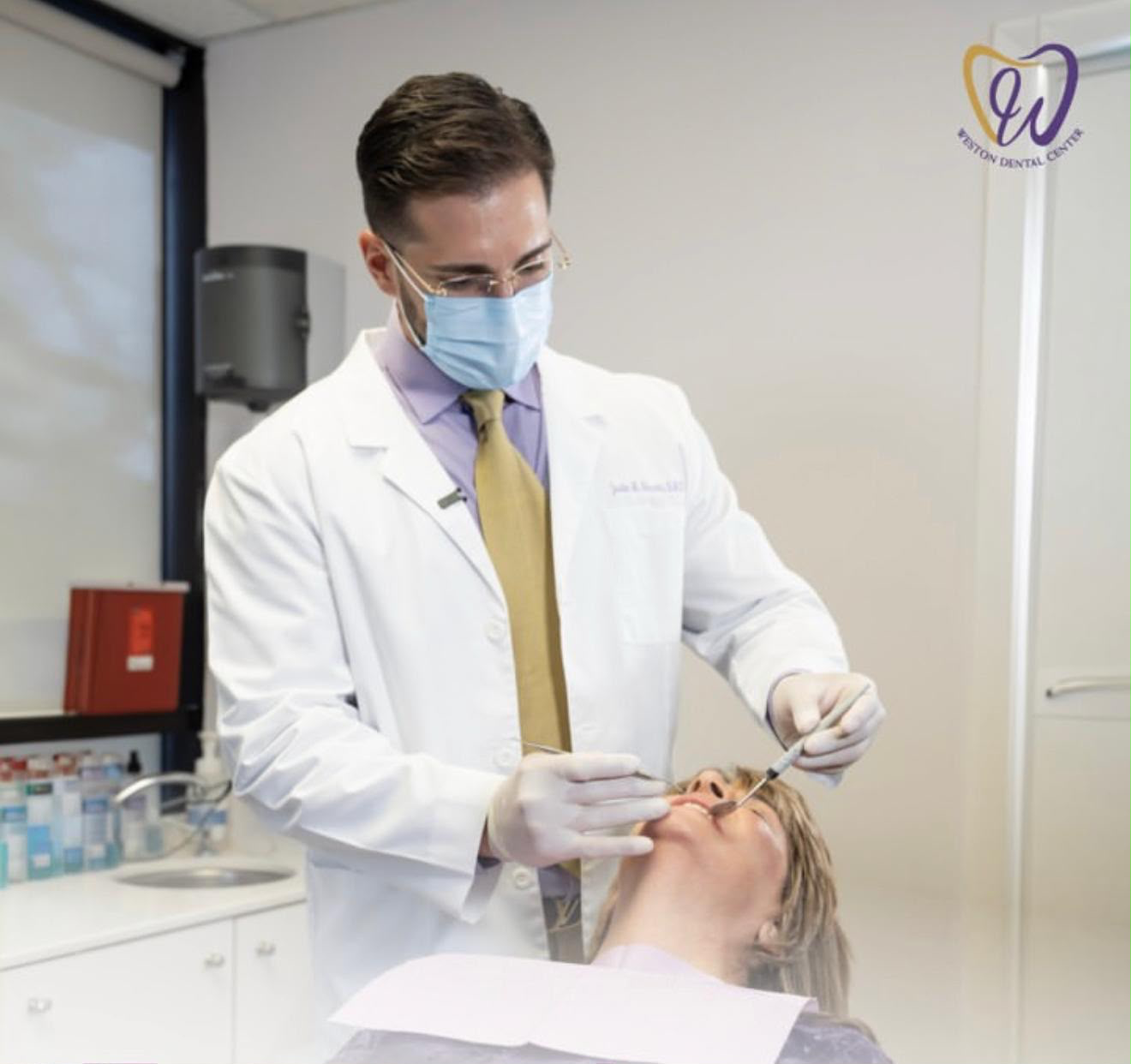

Saving an Athlete's Smile: Emergency Root Canals for Sports Injuries
A sudden blow during a game can do more than shake an athlete; it can seriously damage a tooth. Fast, focused dental care can mean the difference between saving it and losing it. For athletes, knowing when to act and who to call makes all the difference. Let’s explore how emergency root canals protect both performance and long-term oral health.
How Sports-Related Tooth Injuries Can Lead to Root Damage
Athletes face unique dental risks. Contact sports, for example, soccer, basketball, and hockey, come with high chances of dental trauma. A ball to the mouth or an elbow during a rebound can do more than chip a tooth.
Root damage often hides beneath the surface. That’s why quick evaluation is crucial. Here’s how injuries typically impact the tooth’s internal structure:
- Fractured teeth: A crack may travel into the root canal system, allowing bacteria inside.
- Displacement injuries: When a tooth gets pushed into or out of its normal position, the nerve inside may be torn.
- Blunt force trauma: Even without visible damage, impact can cause the pulp (nerve tissue) to die slowly over time.
- Delayed symptoms: Pain, discoloration, or swelling might not appear until days later.
When the pulp gets infected or inflamed (aggravated), it can’t heal on its own. Without root canal therapy, the infection may spread to the jawbone or surrounding tissue.
That’s where a skilled local dentist or a dentist in Weston, FL steps in, eliminating the decayed pulp, cleaning out the root canals, and sealing the tooth to prevent future problems.
Why Athletes in Weston, FL Need Fast Dental Care After Oral Trauma
Weston is home to active families, teen leagues, weekend warriors, and serious competitors. If you or your teen takes a hit and a tooth feels off, don’t wait. Time is everything.
Why quick action matters:
- Saves the natural tooth: The faster you seek care, the better the odds of preserving the root and avoiding extraction.
- Limits infection risk: Infections spread quickly through the pulp chamber. Treating it early prevents more complex procedures later.
- Protects athletic performance: Oral pain can ruin sleep, focus, and energy levels. Athletes can’t train or compete well when their mouths hurt.
- Minimizes dental costs: Delayed treatment often means more dental work down the road. Catching the problem early keeps expenses lower.
If your regular dentist is closed or unavailable, don’t be reluctant to seek help from an emergency dentist for root canal with same-day appointments. A provider who understands the urgency can start treatment right away and get you back on track.
The Recovery Timeline for Returning to Play After a Root Canal
Many athletes worry about downtime. Root canals sound intense, but in reality, the recovery is smoother than most expect. Here’s what the return-to-play timeline usually looks like:
First 24–48 Hours:
- Mild discomfort is common but manageable with over-the-counter pain relief.
- Soft foods and low activity help keep pressure off the treated tooth.
After 3–5 Days:
- Most patients feel normal again.
- Pain and swelling, if present, usually subside.
After 1–2 Weeks:
- A follow-up visit may be needed to place a crown or protective restoration.
- Once the permanent crown is placed, normal function returns.
Clearance to Play:
- With your dentist, discuss your sport and level of contact.
- Many athletes resume training within a week.
- A custom mouthguard is often recommended for future protection.
Your dental provider will guide you based on your healing and the demands of your sport. Following aftercare instructions closely helps the tooth remain strong and stable, without affecting future games. If you’ve suffered a dental injury, don’t wait to reach out to a dentist near you for the right support and timely treatment.
Final Thoughts
A sports injury doesn’t have to mean the end of your season or your smile. When oral trauma happens, acting quickly protects more than just a tooth. It guards your comfort, your health, and your ability to stay in the game. Root canal treatment offers a solid, lasting solution that restores strength and stops pain before it affects performance. At Weston Dental Center, we’re here when you need fast, skilled care with minimal downtime. Whether you’re a young athlete, a coach, or a weekend competitor, don’t let a dental injury hold you back.
Call us today to schedule an emergency evaluation or learn more about how we protect athletes’ smiles so you can get back to doing what you love.
FAQs
A sports injury can crack, displace, or damage the inner pulp of a tooth. If bacteria enter the pulp, infection may develop, sometimes requiring root canal treatment to preserve the natural tooth structure.
Severe pain, lingering sensitivity, swelling, or darkening of the tooth may indicate pulp damage. A clinical exam and imaging help determine whether an internal infection is present after trauma.
If you feel intense pain, bleeding, swelling, or a loose tooth, prompt evaluation is important. Clinics offering emergency dentistry in Weston can assess the injury and stabilize the tooth before complications develop.
Yes, in many cases. A root canal removes infected pulp tissue while preserving the outer tooth structure, allowing the tooth to function normally once restored.
Contact sports, falls, and collisions increase the risk of tooth fractures or displacement. Even minor impacts can damage internal tooth structures without visible cracks.
Evaluation should happen as soon as possible after trauma. A dentist in Weston can assess nerve vitality and structural damage before infection progresses.
Sports injury dentistry in Weston focuses on diagnosing and managing dental trauma from athletic activities, including fractured teeth, dislodged teeth, and injuries requiring urgent endodontic care.
Modern techniques and anesthesia help keep patients comfortable during treatment. Post-procedure soreness is usually manageable and temporary.
Yes. Custom mouthguards help absorb impact forces and reduce the risk of fractures or nerve damage during athletic activity.
Yes. At Weston Dental, athletes with dental trauma can receive prompt assessment to determine whether stabilization, restoration, or root canal therapy is necessary.
Author’s Bio

Dr. Justin Hosseini
Dr. Justin Hosseini provides dental implant care at Weston Dental Center to replace missing teeth. Implant treatment includes evaluation, placement coordination, and restoration planning. Care focuses on comfort, function, and long-term use.