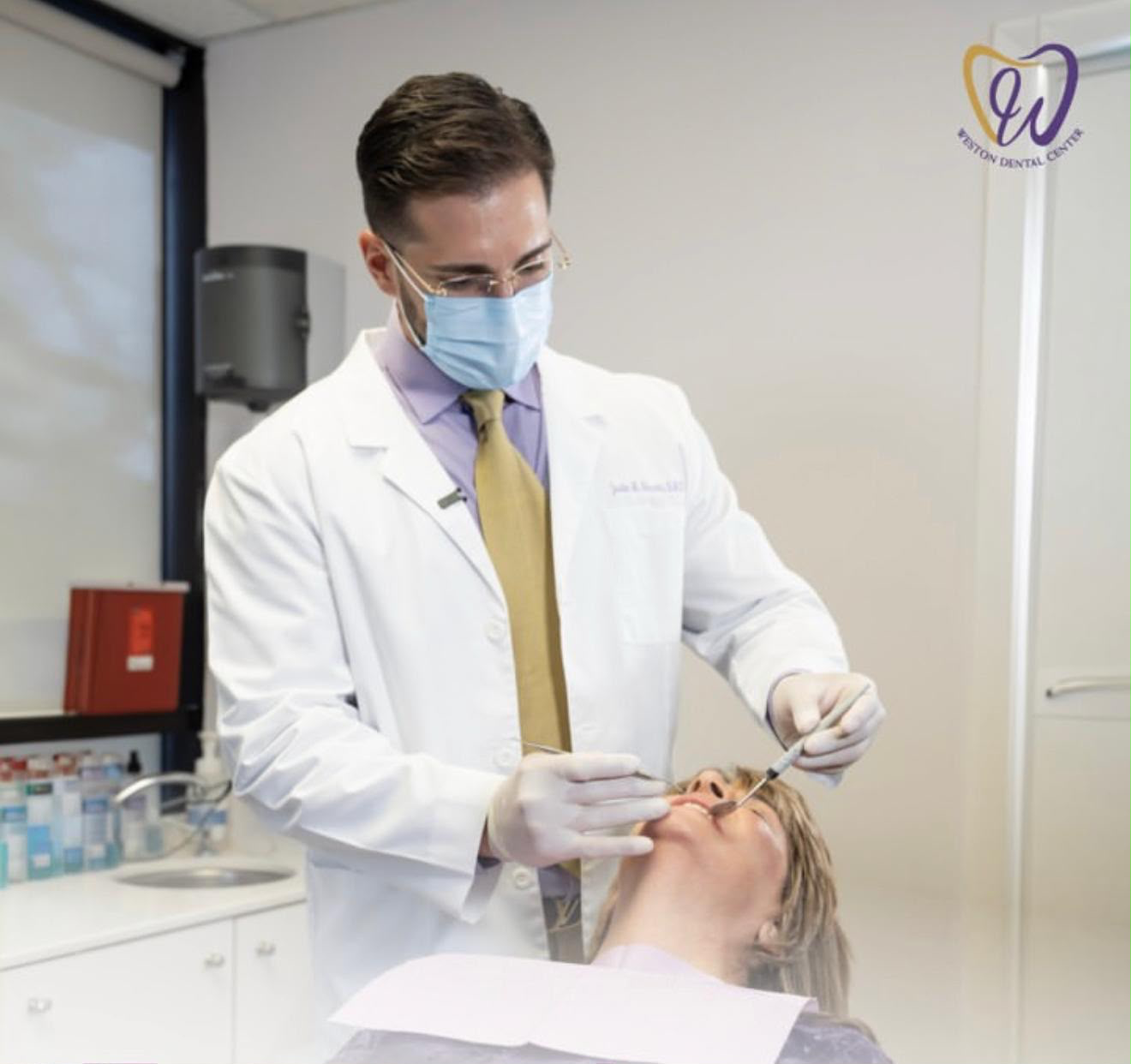

Dentures or Implants?
Which tooth-replacement option is right for you?

When several or all teeth are missing, both dentures and dental implants can restore function and appearance—but they solve the problem in different ways. Dentures are removable appliances that replace multiple teeth, while dental implants are placed in the jaw and support a crown, bridge, or implant-retained denture. The right choice depends on your oral health, priorities, treatment timeline, maintenance preferences, and budget.
This guide compares the two options, although an examination and appropriate imaging are still necessary before deciding which treatment is suitable for you.
What Are Dentures?
Dentures are removable restorations designed to replace missing teeth and surrounding gum tissue. A full denture replaces an entire upper or lower arch, while a partial denture fills spaces when some natural teeth remain.
Modern dentures are made to look natural and fit the shape of your mouth. They may suit people who want to replace many teeth without implant surgery or prefer a shorter initial treatment process.
Because dentures rest on the gums, their fit can change as the jaw and soft tissues change over time. Periodic adjustments, relining, or replacement may be needed to maintain comfort and function. Learn more about partial and full dentures in Weston.
What Are Dental Implants?
A dental implant is a small post placed in the jaw to act as an artificial tooth root. After the area heals, the implant can support a crown for one tooth, a bridge for several teeth, or a more stable implant-supported denture.
Implants do not rely on neighboring teeth for support and can feel more like natural teeth when treatment is complete. They also transfer chewing forces to the jawbone. However, the process normally requires surgery, healing time, careful planning, and sufficient healthy bone and gum tissue.
Medical history, smoking, gum disease, bone volume, and oral-hygiene habits can influence implant candidacy and healing. These factors require individual evaluation. Explore our approach to dental implants in Weston.
Dentures vs. Dental Implants: Key Differences
Stability and Chewing
Traditional dentures sit on the gums and may move slightly during eating or speaking, especially if their fit has changed. Adhesive can sometimes improve retention, but it does not replace a properly fitted appliance.
Dental implants are anchored in the jaw, so implant-supported teeth are generally more stable. This can make it easier to chew a wider variety of foods. Results differ by patient, and both options may require an adjustment period.
Comfort and Everyday Feel
A well-made denture can restore a smile and improve function, but it remains a removable appliance that covers part of the gums. An upper denture may also cover part of the palate.
Implant-supported restorations typically occupy less soft-tissue surface and do not depend only on the gums for support. Some patients prefer this more fixed feeling. Others value the simplicity of removing a denture for cleaning.
Cleaning and Maintenance
Dentures should be removed and cleaned every day according to your dentist’s instructions. The gums, tongue, and any remaining teeth also require care. Dentures should be handled carefully and checked regularly for fit and wear.
Implants cannot develop cavities, but the gums and bone around them can still become unhealthy. Daily home care, professional cleanings, and routine examinations remain essential. Our dental implant aftercare guide explains these habits in more detail.
Treatment Time
Conventional dentures can often be completed sooner because they do not require surgical healing. Some patients receive an immediate denture after extractions, although adjustments are usually necessary as the mouth heals.
Implant treatment generally takes longer. Planning, placement, healing, and fabrication of the final restoration may occur over several months. Preparatory care can extend the timeline.
Jawbone Changes
After teeth are lost, the jawbone in those areas can gradually change because it no longer receives stimulation from natural tooth roots. Traditional dentures replace the visible teeth but do not replace those roots.
Implants transfer chewing forces into the jaw and can help preserve bone around the implant sites. This is one reason some patients consider implants, although bone changes and long-term outcomes vary. Read more about dental implants and jawbone preservation.
Initial and Long-Term Cost
Dentures usually have a lower initial cost than implant treatment. Over time, they may need relining, adjustment, repair, or replacement as the mouth changes.
Implants usually require a larger initial investment because treatment includes surgery, components, imaging, and the final restoration. Their long-term value depends on the number of implants, the type of restoration, oral health, maintenance, and individual healing. A personalized treatment plan is the most useful way to compare costs.
Can Dentures and Implants Be Combined?
Yes. The decision is not always limited to a traditional denture or a fully fixed implant restoration. An implant-retained denture uses implants to improve stability while remaining removable for cleaning. For some patients, this offers a practical balance between support, maintenance, treatment complexity, and cost.
Which Tooth-Replacement Option May Be Right for You?
Dentures may be worth considering if you want a non-surgical solution, need to replace many teeth relatively quickly, or prefer a lower initial investment. Dental implants may be attractive if stability, a fixed feel, and support from the jaw are high priorities and you are comfortable with a longer surgical process.
Your dentist will also consider:
- How many teeth are missing and where they are located
- The health of your gums and remaining teeth
- The amount and quality of available jawbone
- Your medical history and medications
- Your ability to clean and maintain the restoration
- Your expectations for comfort, appearance, and treatment time
- Your budget and insurance benefits
There is no single best option for every patient. In some situations, more than one approach may work well, and the final decision can reflect both clinical needs and personal preferences.
Frequently Asked Questions
Do dental implants last longer than dentures?
Implants are designed as a long-term treatment, but their lifespan depends on health, oral hygiene, bite forces, and professional care. Dentures commonly need adjustments or replacement as the mouth changes. Neither option is maintenance-free.
Can I switch from dentures to implants later?
Many patients can be evaluated for implants after wearing dentures. Bone volume and overall oral health help determine what is possible. Some patients may need bone grafting, while others may qualify for an implant-retained denture or another approach.
Are dentures faster to get than implants?
Usually, yes. Dentures generally do not require the healing period associated with implant placement. Exact timing depends on whether teeth must be removed, how the tissues heal, and whether immediate or conventional dentures are planned.
Will insurance cover dentures or dental implants?
Coverage varies by plan. Dental insurance may contribute toward dentures or parts of implant treatment, but annual maximums, waiting periods, missing-tooth clauses, and exclusions may apply. Ask the dental office to review your benefits and provide a written estimate.
Compare Your Options at Weston Dental Center
If you are considering dentures, dental implants, or an implant-retained solution, a personalized evaluation is the best place to begin. At Weston Dental Center, we can examine your oral health, review appropriate imaging, explain the advantages and limitations of each option, and build a treatment plan around your needs.
Book an appointment at our Weston, FL office to discuss the tooth-replacement options available to you.
Author’s Bio

Dr. Justin Hosseini
Dr. Justin Hosseini provides dental implant care at Weston Dental Center to replace missing teeth. Implant treatment includes evaluation, placement coordination, and restoration planning. Care focuses on comfort, function, and long-term use.